
Browsing around LinkedIn a few weeks ago, an article title immediately grabbed my attention: Every Company Now Sounds Like ChatGPT and That's the Biggest Brand Opportunity in a Decade
Barron's (a weekly magazine and newspaper published by Dow Jones & Company) examined a whole bunch of corporate communication, from shareholder letters to press releases.
What they found? A single-sentence construction has exploded across corporate America since 2024: "It's not just X, it's Y."
That pattern has become one of the biggest tells in AI. I’m sure you’ve noticed. And if you haven’t, go read a few LinkedIn posts; you’ll see it quickly!
But this article makes a great case: this is the clearest competitive opening for marketers in a decade.
Why? Companies NOT conforming all communication to exactly what AI spits out can immediately stand out with their own unique voice and personality.
After reading that article, I really noticed this pattern showing up everywhere…
An email from a points+miles newsletter I love

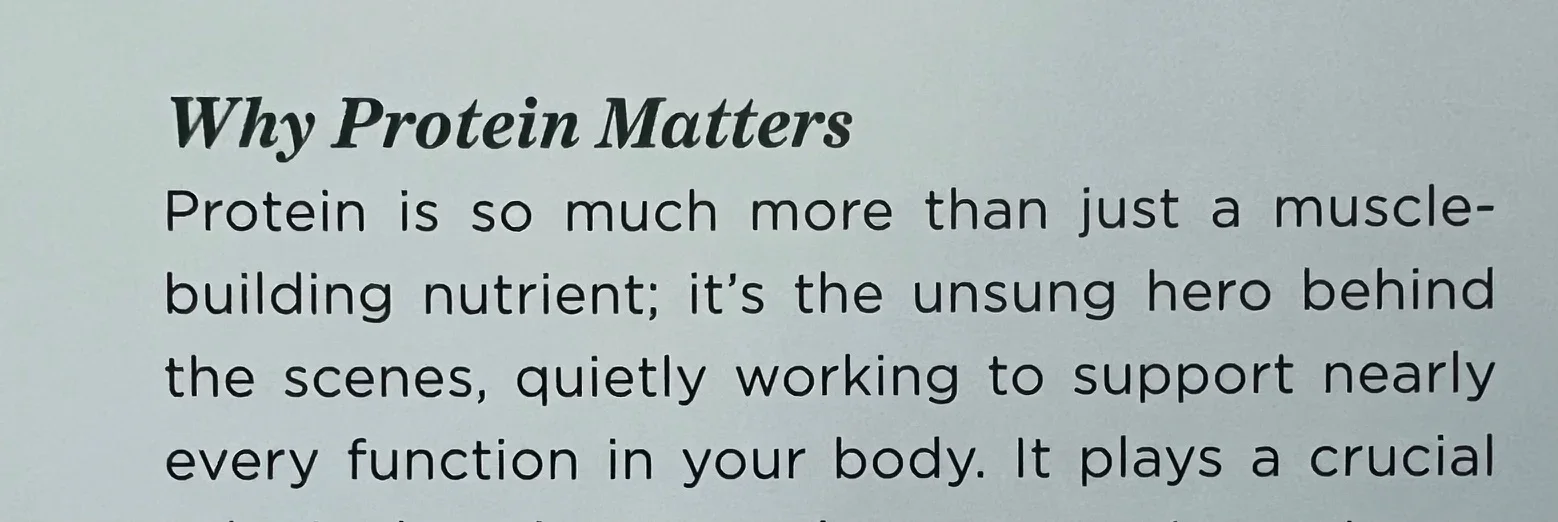
A new cookbook I grabbed from the library
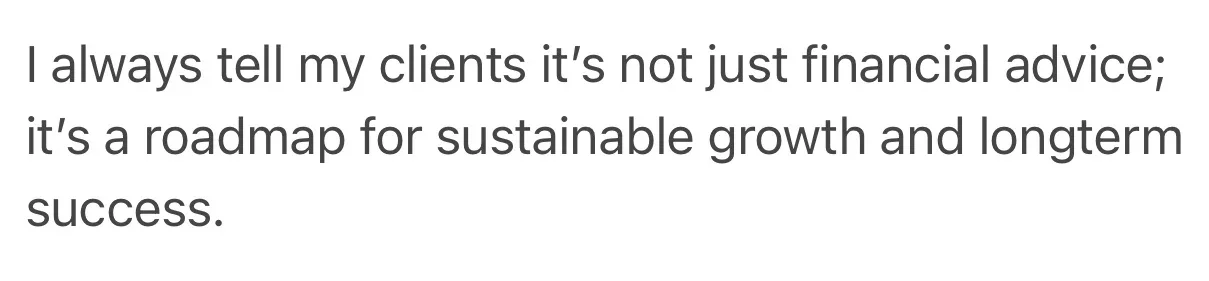
A Facebook update from a friend

An emailed "quote" from a Subject Matter Expert
And in history research papers
Last week I served as a judge for Illinois History Day, judging the state’s preliminary division for senior high research papers and the finals round for junior high papers. (side note: it was SO enjoyable!)
The "It's not just X, it's Y” phrase jumped out from more than half of the 13 papers I read.
“This wasn’t just a protest; it was a nationwide awakening.”
“Privacy wasn’t just an abstract principle - it became a set of enforceable protections that limited overreach into an individual’s personal information.”
“The riots were not simply a temporary wartime disturbance; they were part of a broader struggle over race and belonging in American society.”
So what’s the solution?
Should we stop using ChatGPT? I know I won’t - at least at this point! But here’s how I try to use it responsibly without losing my own skills or compromising a brand’s writing voice:
For brainstorming. It really is helpful for ideas — topics, an alternative word or phrase, headings and subheadings (I’ve always been terrible at writing headlines).
For outline help. I probably only use about half of its suggestions, but ChatGPT can be advantageous for breaking through when I'm stuck trying to figure out a better flow to my writing, especially when it’s a longer piece.
For a quick polish. Again, I don’t take every suggestion — or even most — but for “less important” content like a quick story for social media that I don’t need to spend a lot of time with, I put together the general piece and then ask Chat to give me edit suggestions. Most often, it tightens where I have a tendency to get wordy.
Like State of Brand's article pointed out, marketers can take full advantage of this overuse of generic language.
It's not just a trend; it's a great opportunity for differentiation.
Kidding!
In all seriousness, keep doing these important things:
Refining your brand’s own voice. As the article noted, “the companies doing this best still use AI. They use it to scale a point of view that already exists. The flattening happens when AI is asked to generate the point of view itself.”
Talking to people! My best ideas and inspiration come from real life conversations, not from ChatGPT threads. Last week, I conducted a Zoom interview with 3 social media experts for a feature article I’m writing in the field of higher education. It was refreshing to have an actual conversation. I have real quotes, that sound like real people!
Be memorable. When 95% of your potential buyers aren't ready to buy, the only thing that matters is whether they'll remember you when they are. (The best way to do this? Storytelling of course!)
I’m curious - how are you using AI in your current position?